SoqDoq Home

Category

Pop Psychology

22 articles

Forty-Seven Billion Dollars Worth of Not Being Alone, Technically

Forty-Seven Billion Dollars Worth of Not Being Alone, Technically

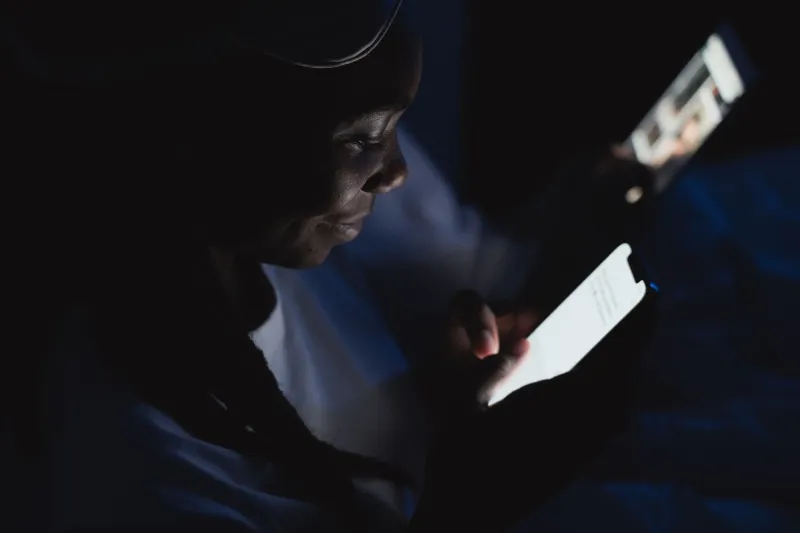
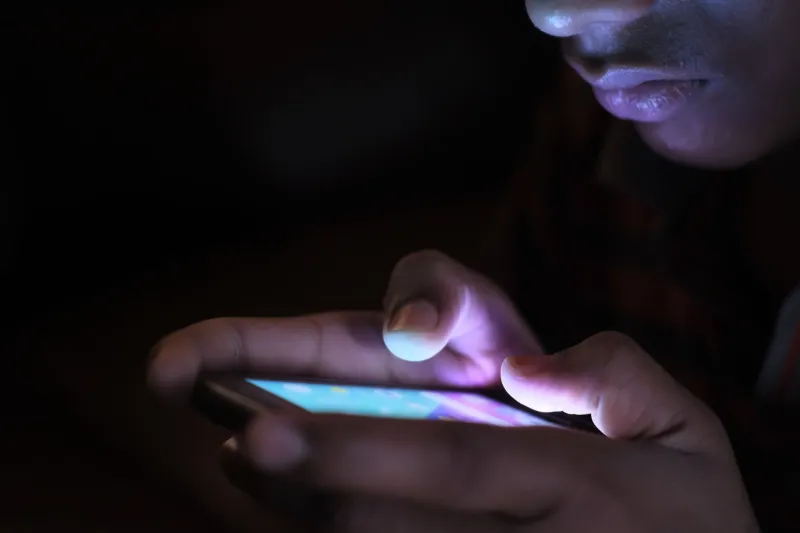
Somewhere between your third notification of the day and the algorithm that knows you're sad before you do, a very profitable industry quietly built itself around your loneliness. It didn't fix anything. It just made the emptiness feel premium. Welcome to the loneliness industrial complex, where being alone together is a growth market.

Step Right Up and Suffer: The Bizarre Spectacle of Competitive Tragedy in the Age of Viral Pain

Step Right Up and Suffer: The Bizarre Spectacle of Competitive Tragedy in the Age of Viral Pain

America has always loved a good underdog story, but somewhere between the inspirational memoir and the TikTok sob reel, we took a hard left turn into something far stranger. Welcome to the era of competitive suffering — where your trauma is content, the audience is the judge, and first prize is a comment section full of crying emojis. Whether this is healing or just heartbreak with better lighting is genuinely unclear.

Dying to Be Remembered: The Surprisingly Profitable Business of Selling You a Digital Afterlife

Dying to Be Remembered: The Surprisingly Profitable Business of Selling You a Digital Afterlife

Somewhere between your last Instagram post and your actual funeral, there's a startup ready to charge you a monthly fee to make sure the algorithm never forgets your face. The loneliness industrial complex isn't selling connection anymore — it's selling the terrifying possibility that without it, you will simply cease to exist online, and somehow that feels worse than the other kind of ceasing to exist.

Your Phone Cried Before You Did: The Creepy Science of Emotional Surveillance Tech

Your Phone Cried Before You Did: The Creepy Science of Emotional Surveillance Tech

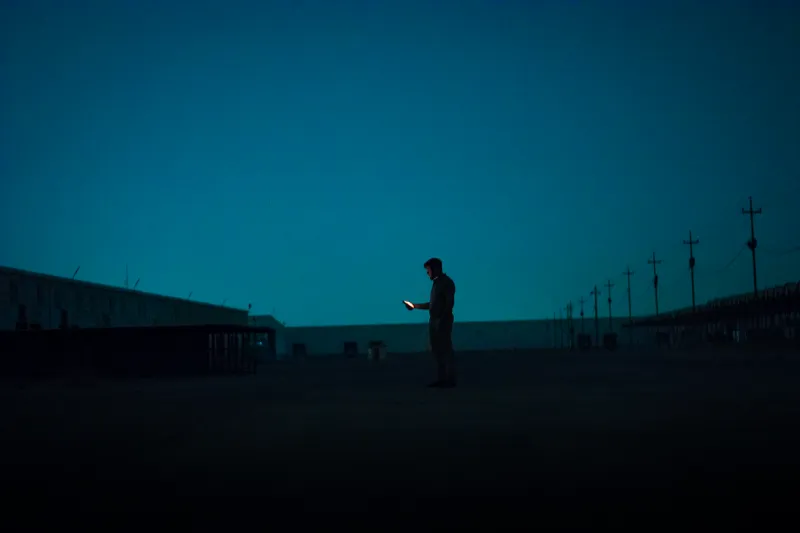
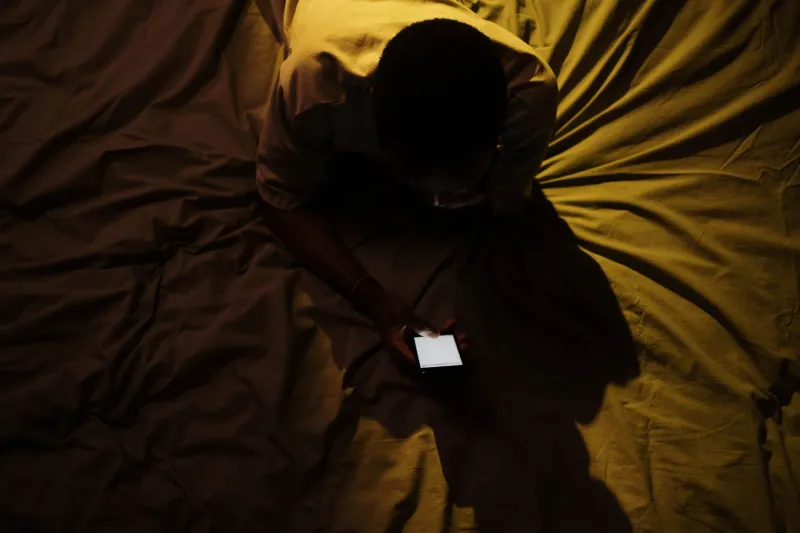
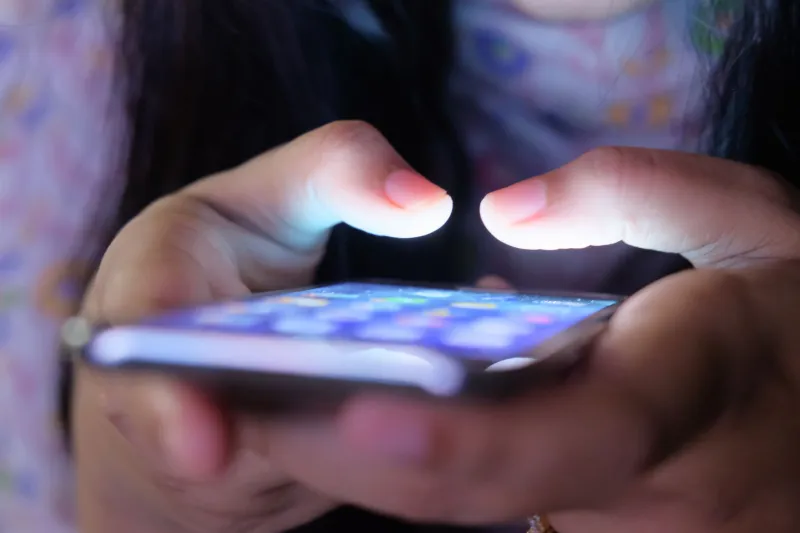
Somewhere inside your smartphone, an algorithm already knows you had a rough Tuesday. It noticed the 2 a.m. scroll, the three unanswered texts, and the fact that you typed 'is it normal to cry at a Applebee's commercial' into a search bar. The uncomfortable truth is that your devices have become emotional lie detectors — and you signed the consent form without reading it.

Tick, Tock, You're Nobody: The Deeply Unhinged Quest to Become Officially Real on the Internet

Tick, Tock, You're Nobody: The Deeply Unhinged Quest to Become Officially Real on the Internet

Somewhere between your third appeal to a faceless moderation system and your first Google alert set for your own name, you started wondering if maybe the checkmark was the problem all along. Social media verification has quietly become one of the strangest psychological phenomena of the digital age — a tiny symbol that means everything, costs nothing to fake, and somehow defines you anyway. Welcome to the identity crisis you didn't know you were already having.

Somebody Out There Knows Your Name and You're Paying Them $9.99 a Month for the Privilege

Somebody Out There Knows Your Name and You're Paying Them $9.99 a Month for the Privilege

There's a booming industry built entirely around the terrifying possibility that nobody is paying attention to you. Apps, services, and subscription platforms now sell the experience of being heard, remembered, and cared about — and business has never been better. What does it mean when human attention becomes a line item on your monthly budget?

Rent-a-Friend, Subscription-Based Feelings, and the Booming Business of Fake Intimacy

Rent-a-Friend, Subscription-Based Feelings, and the Booming Business of Fake Intimacy

Somewhere between a therapy session and a customer service call, an entire industry has quietly assembled itself around selling you the sensation of being genuinely cared about. People are paying real, non-refundable American dollars for strangers to simulate friendship, and the wildest part is that it's working. What does it mean when connection has a price point and a cancellation policy?

Smash It, Burn It, Eat the Receipt: The Booming Market for Watching Nice Things Die

Smash It, Burn It, Eat the Receipt: The Booming Market for Watching Nice Things Die

Somewhere between a therapy session and a crime scene, destruction content has quietly become one of the internet's most addictive genres. Creators are spending real, actual money to obliterate expensive things on camera — and millions of people can't look away. What does that say about us? Probably nothing great, but let's dig in anyway.

Your Brain on Garbage Cinema: The Weird Science of Why Bad Movies Feel So Good

Your Brain on Garbage Cinema: The Weird Science of Why Bad Movies Feel So Good

You've seen Birdemic. You've watched The Room three times. You've laughed until something hurt. But why does your brain reward you for consuming objectively terrible cinema? Turns out, the neuroscience behind loving bad movies is way more fascinating than anything Nicolas Cage has been in lately — and that's saying a lot.